Avoid fines: waste disposal rules in Longford County
Posted on 06/07/2026
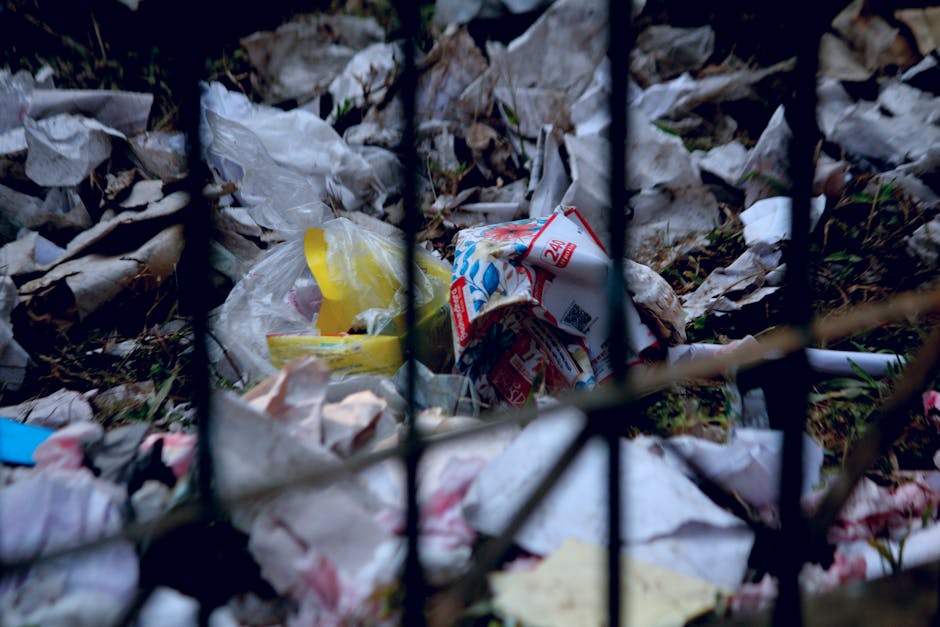
If you are clearing a house, dealing with renovation rubble, or just trying to get rid of an awkward sofa without causing a headache, the waste rules in Longford County can feel a bit fiddly. Truth be told, that is exactly when fines tend to happen: when people guess, rush, or leave bags beside the wrong bin and hope for the best. This guide on Avoid fines: waste disposal rules in Longford County breaks the process into plain English, so you can dispose of waste properly, avoid common mistakes, and stay on the right side of local expectations.
You will find practical steps, a checklist, a comparison of disposal options, and a realistic look at what usually goes wrong. There is also a local moving-and-clearance angle here, because waste management often sits right in the middle of house moves, decluttering jobs, and end-of-tenancy clean-ups. If that sounds familiar, you are in the right place.
Why Avoid fines: waste disposal rules in Longford County Matters
Waste disposal is one of those everyday jobs that looks simple until it suddenly is not. A few bin bags, a broken wardrobe, some plasterboard, maybe a stack of cardboard from a move, and before long you are dealing with sorting, lifting, transporting, and deciding what counts as household waste versus special waste. Miss that distinction and you can end up with rejected collections, extra charges, or worse, enforcement action.
The biggest reason this matters is responsibility. Once waste leaves your home, you remain responsible for ensuring it is handled correctly. Handing rubbish to someone who cannot legally carry or dump it properly is not a tidy shortcut; it is a risk. And let's face it, fly-tipping does not happen in a vacuum. It starts with people wanting the job done quickly and cheaply.
In Longford County, the practical issue is often not malice, just confusion. Residents may be unsure about bulky waste, mixed loads, electrical items, garden waste, or moving leftovers such as packing materials. During a busy move, you can easily end up with items sitting in a hallway at 9 p.m., waiting for "tomorrow." That tomorrow can become a problem if the waste is left in the wrong place or passed to the wrong person.
For people planning a clear-out or relocation, good waste handling also keeps the rest of the job smoother. If you are already reading about decluttering before a move or sorting through move-out cleaning, the waste part is really the bit that holds everything together.
How Avoid fines: waste disposal rules in Longford County Works
The basic system is straightforward enough: separate what you can, place ordinary household waste in the correct bins or approved collection method, and treat bulky, hazardous, or recyclable items according to the relevant route. The detail is where people trip up.
Think of waste in a few broad groups:
- General household waste - everyday rubbish that cannot be reused or recycled easily.
- Recyclables - items like clean cardboard, paper, some plastics, metals, and glass, depending on local collection rules.
- Bulky waste - furniture, mattresses, large appliances, and similar large items.
- Construction or renovation waste - rubble, plasterboard, timber, tiles, and mixed building debris.
- Hazardous or specialist waste - paint, chemicals, solvents, batteries, fluorescent tubes, and some electrical items.
The safest approach is to treat each category differently rather than bundling everything together. A mixed load is where costs and problems creep in. For example, a van full of garden cuttings, old shelving, a broken microwave, and a bag of paint tins may not be accepted as standard domestic rubbish. It often needs separating first.
There is also a practical transport side. If waste is being moved from a property, it should be secured properly, kept from spilling onto roads, and handled in a way that avoids injury. That is especially important with awkward items. If you are shifting heavy furniture first and clearing waste second, useful reads like effective ways to lift heavy alone and kinetic lifting technique can help you avoid turning a simple clearance into a strained back and a ruined afternoon.
In day-to-day terms, the process usually looks like this:
- Sort waste by type.
- Remove anything reusable or recyclable.
- Check what your local collection route allows.
- Choose the right disposal method for bulky or specialist items.
- Keep records or receipts if a third party is handling the load.
It is not glamorous, obviously, but it is the sort of routine that saves trouble later.
Key Benefits and Practical Advantages
Following the rules is about more than avoiding a fine. It makes the whole process calmer, cleaner, and honestly less annoying. When waste is planned well, a move or clear-out feels much more controlled.
Here are the main practical benefits:
- Lower risk of penalties - because you are not leaving disposal decisions to chance.
- Less stress - no last-minute panic over where to put broken furniture or old appliances.
- Cleaner property handover - useful for tenants, landlords, sellers, and homeowners alike.
- Safer lifting and loading - fewer awkward trips and fewer injuries.
- Better recycling outcomes - more items end up in the right stream rather than the general waste pile.
- More efficient moving day - especially if you are dealing with boxes, packing leftovers, and unwanted clutter at the same time.
There is also a financial angle, which people sometimes overlook. Paying once for the proper route is usually cheaper than paying a second time to fix a mess. A rejected skip, an extra collection, or a cleanup after waste is left poorly sorted can eat into a budget fast.
If you are comparing support options for a clearance or move, the broader service picture can help too. Pages like services overview, man and van Longford, and removal services Longford are useful when you want the moving side and the clearance side to fit together neatly rather than feel like two separate jobs.
Who This Is For and When It Makes Sense
This guidance is for anyone who generates waste that does not fit neatly into a normal bin cycle. That includes households, landlords, tenants, students, small offices, and people dealing with probate, downsizing, or renovation debris. Basically, if you have looked at an item and thought, "That will not be a standard bin-bag job," this section is for you.
A few common scenarios:
- House moves - old furniture, broken fittings, packaging, and garden items often need sorting quickly.
- Flat clear-outs - space is tight, access may be awkward, and items can pile up in corridors if you are not careful.
- Student moves - there is usually a mix of unwanted clothes, small furniture, cardboard, and electrical bits.
- Office changes - desks, monitors, shredding waste, and archive clearances tend to need a bit more planning.
- End-of-tenancy jobs - leaving waste behind is one of the easiest ways to cause deductions or complaints.
It also makes sense if you simply want to be more organised. Some people do not need a full clearance, just a sensible way of dealing with awkward items after a declutter. If you are in that camp, the article on stress-free house moving ties in well, because waste planning is a huge part of keeping the rest of moving day under control.
And yes, this matters for small jobs too. One sofa, one fridge, one pile of soaked carpet underlay - enough said.
Step-by-Step Guidance
If you want to avoid fines and keep the job tidy, use a simple sequence. No drama, no guesswork.
1. Identify exactly what you need to dispose of
Do not start with bags. Start with items. Write down what you have, then split it into bins, recyclables, bulky waste, electricals, and specialist waste. That sounds basic, but it prevents a messy "all-in-one" load later.
2. Pull out reusable and recyclable items first
Before you throw anything away, check whether it can be donated, reused, or recycled. A sturdy shelf, a working lamp, or intact storage boxes can often live another life. It is better for the wallet and the planet. To be fair, it also saves bin space.
3. Separate hazardous or special materials
Paint, chemicals, batteries, and certain electrical items should not be mixed with normal waste. Keep them apart from the start. If you have ever had a damp cardboard box with a leaking tin inside, you already know why this matters.
4. Decide whether it is a collection job, a drop-off job, or a removal job
Some waste is fine for ordinary household routes, but bulky items and mixed loads often need a dedicated collection. At this stage, it helps to think about access, timing, and lifting. If there is a heavy mattress or awkward wardrobe involved, you may want a planned removal rather than a rush job. For useful related guidance, see bed and mattress moving advice.
5. Prepare the items safely
Remove drawers, tape loose doors shut, drain appliances if needed, and bag sharp or broken pieces separately. A bit of prep makes transport safer and quicker. If you are storing some items before disposal, storage Longford can be a sensible stopgap while you work out what stays and what goes.
6. Load carefully and keep the waste contained
Do not let debris scatter in a garden, alley, or hallway. Cover dusty waste, keep liquids sealed, and load heavier items first so they do not crush lighter rubbish. This is where people often get a little sloppy. Then they regret it in the car park. Quite quickly.
7. Keep proof of responsible disposal where possible
If a third party takes the waste, keep the booking details, receipt, or any job confirmation you are given. That is a simple way to protect yourself if there is later a question about where the waste ended up.
Expert Tips for Better Results
A few small habits make a big difference, especially if waste disposal is happening at the same time as a move, a clear-out, or renovation work.
- Start earlier than you think - waste always seems to multiply near the end.
- Work room by room - it is easier to spot duplicates and decide what stays.
- Keep a "do not forget" pile - useful for batteries, bulbs, cables, and small electricals.
- Protect floors and doorways - the sound of dragging a chair across a hallway is not one you want to hear twice.
- Use the right equipment - gloves, straps, trolleys, and proper boxes are worth having.
- Choose timing carefully - if you are clearing in wet weather, muddy waste and slippery paths become a nuisance fast.
A practical tip we often give is to combine decluttering, packing, and waste separation into one pass through the property. It sounds like more work, but it usually saves time. You do not want to stand in a doorway three times asking, "Keep, store, or tip?"
If you are dealing with furniture, sofa removal, or large household items, useful support can come from furniture removals Longford or sofa storage guidance when you are not quite ready to part with everything.

Common Mistakes to Avoid
Most problems come from a short list of avoidable errors. The good news? They are easy to spot once you know them.
- Leaving waste beside bins or kerbs without checking collection rules
- Mixing electricals, plasterboard, rubble, and household rubbish
- Handing waste to an unverified carrier
- Assuming "someone else will sort it"
- Forgetting that packaging from appliances still counts as waste
- Underestimating the weight and awkwardness of bulky items
- Dumping material in stages around a property because the main load is not ready yet
That last one happens more than people admit. A bag here, a broken shelf there, a bit of cardboard in the shed, and suddenly the place looks half-cleared and half-abandoned. Not a great look, especially near moving day.
Another common slip is treating all waste as if it were ordinary domestic rubbish. It is not. Building materials, appliances, mattresses, and old paint require a different mindset. If you need more context on bulky items specifically, bulky waste pickup options in Longford is a helpful companion piece.
Tools, Resources and Recommendations
You do not need a van full of specialist gear to handle waste properly, but a few practical tools make the whole job safer and cleaner.
| Item | Why it helps | Best for |
|---|---|---|
| Heavy-duty gloves | Protects hands from sharp edges, dirt, and splinters | General clear-outs, garden waste, broken furniture |
| Rubble sacks or strong bags | Contain heavy or dusty waste better than thin bin liners | Renovation debris, broken plaster, mixed small waste |
| Labels or marker pens | Helps separate keep, recycle, and dispose piles | Room-by-room sorting |
| Straps or a trolley | Makes moving bulky items less risky | Fridges, wardrobes, washing machines |
| Dust sheets or covers | Protects flooring and keeps dust from spreading | Old carpets, furniture, and refurbishment waste |
For people planning a move or clearance together, a few other pages can help frame the job properly. packing and boxes Longford is useful if waste is coming out of a larger packing project, and packing solutions for moving day can help prevent extra clutter from building up in the first place.
Also, if your clear-out is linked to a last-minute move, the pressure rises quickly. In those situations, a service like same-day van support for Edgeworthstown moves may be the difference between an orderly handover and a chaotic evening with boxes stacked to the ceiling.
Law, Compliance, Standards, or Best Practice
Waste disposal is one of those areas where "best effort" is not enough. The general principle in the UK is that waste should be stored, moved, and handed over responsibly, and only to people or services that can deal with it lawfully. You do not need to become a legal expert, but you do need to avoid careless assumptions.
The safest best-practice approach is simple:
- Only use legitimate, traceable disposal routes.
- Keep waste separated where possible.
- Do not burn waste or leave it in unauthorised places.
- Do not rely on verbal promises from unknown carriers.
- Keep evidence of responsible transfer if a third party is involved.
For builders' waste, renovation material, or mixed household clearance, extra caution is sensible because contamination can make an otherwise ordinary load unsuitable for normal collection. That is why planning matters so much. It is also why an experienced mover or clearance team should think about access, lifting, and loading safety as part of the job, not as an afterthought. If you are checking how a business works on safety and responsibility, a page like health and safety policy gives a good sense of the standards being followed.
Expert summary: if you can separate waste early, identify special items, and use a known disposal route, you reduce most of the risk straight away. The last-mile mistake is usually what creates the fine, not the first pile of rubbish.
Options, Methods, or Comparison Table
Different waste situations call for different disposal methods. Here is a practical comparison to help you choose the least stressful route.
| Option | Best for | Advantages | Limitations |
|---|---|---|---|
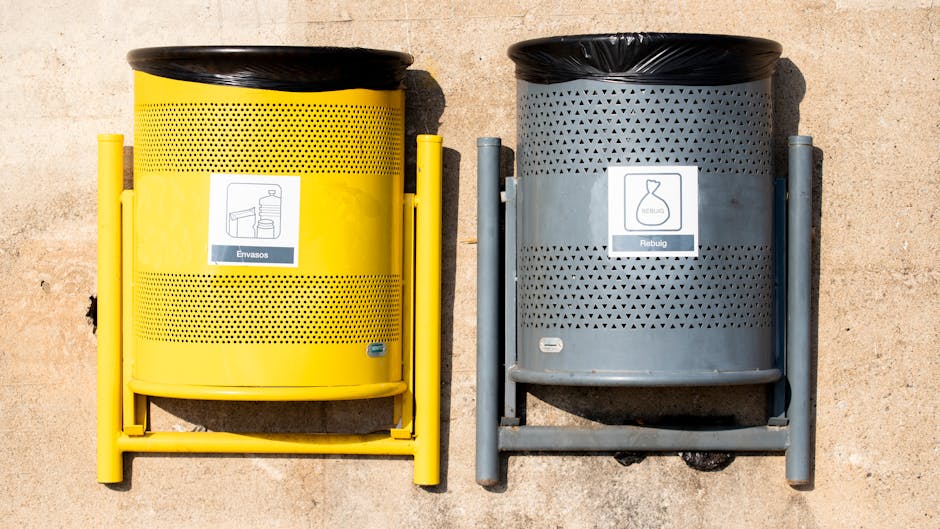
| Regular household bins | Everyday rubbish and small recyclables | Simple, familiar, low effort | Not suitable for bulky, hazardous, or mixed loads |
| Bulky waste collection | Furniture, mattresses, large household items | Convenient for big objects | Often needs booking and careful item prep |
| Dedicated clearance/removal service | Moves, estates, whole-room clear-outs | Saves time and reduces lifting risk | Costs more than doing tiny jobs yourself |
| DIY transport to an authorised facility | Smaller loads when you have suitable vehicle access | Hands-on control of sorting | Time, fuel, lifting, and vehicle limits apply |
| Reuse, donation, or resale | Usable furniture and household goods | Reduces waste and can recover value | Not everything will be accepted, and timing matters |
In practice, many people use a mix of these. For example, keep reusable furniture aside, bag the easy rubbish, and arrange a proper route for the bulky pieces. That mix usually works better than trying to force everything into one solution.
Case Study or Real-World Example
A typical example: a family in Longford is moving from a three-bedroom house and has a garage full of old shelving, a worn sofa, mixed cardboard, a broken TV, and several bags of clutter from the attic. At first glance it feels like one giant mess. In reality, it is five different waste decisions.
They start by separating the usable boxes and donating a couple of items in decent condition. The old TV and batteries go into a specialist stream. The sofa is assessed as bulky waste rather than general rubbish. The cardboard is flattened and kept dry. The remaining clutter is bagged by room, not by random pile.
What changes the outcome is not magic. It is sequence. By sorting before lifting, they avoid overfilling the van, reduce the number of trips, and keep the load clean enough to handle properly. The hallway stays clear. The floor does not get scratched. Nobody ends up improvising with a random black sack and a bad back, which, in fairness, is usually how trouble begins.
This is exactly where a sensible moving plan helps. A well-organised clearance is easier if you have a broader moving structure in place, whether that means a house removals Longford job, flat removals Longford, or support from man with a van Longford when access is tight and time is short.
Practical Checklist
Use this checklist before any disposal run, collection booking, or move-out clearance.
- Have I separated general waste, recyclables, bulky items, and special waste?
- Have I removed anything reusable before discarding the rest?
- Are all sharp, broken, or leaking items safely wrapped or sealed?
- Do I know which items need a dedicated collection?
- Have I checked access, parking, stairs, and carrying distance?
- Am I clear on who is taking the waste and whether they are legitimate?
- Do I have any booking confirmation, receipt, or job record I should keep?
- Are there items better stored temporarily rather than rushed to disposal?
- Have I protected floors, door frames, and walls along the route out?
- Is there anything I should not leave outside overnight?
If you can tick off most of those before the waste moves, you are already ahead of the game. A proper plan saves time, lowers stress, and reduces the chance of an expensive mistake. Simple as that.
If your move is still in the planning stage, you may also want to look at the removal quotes checklist so you do not get caught out by vague pricing or unclear service scopes.
Get a free quote today and see how much you can save.
Conclusion
Avoiding fines in Longford County is not about being perfect. It is about being organised, thoughtful, and just a little bit unglamorous with the details. Sort waste early, separate special items, use the right route for bulky loads, and keep a record when someone else handles the collection. That is the real formula.
Whether you are moving house, clearing a flat, emptying an office, or finally tackling the garage that has been quietly winning for years, the same principle applies: plan the waste before the pile gets out of hand. It makes the work safer, cheaper, and much easier to finish with a clean conscience.
And if all you take from this is one thing, let it be this: a tidy disposal plan now is a lot cheaper than untangling a problem later. Small effort, big relief. Funny how that works.